
Understanding Your Child's Development Milestones: A Pretoria GP's Guide
By Dr Setlogelo · 16 May 2026 · 6 min read
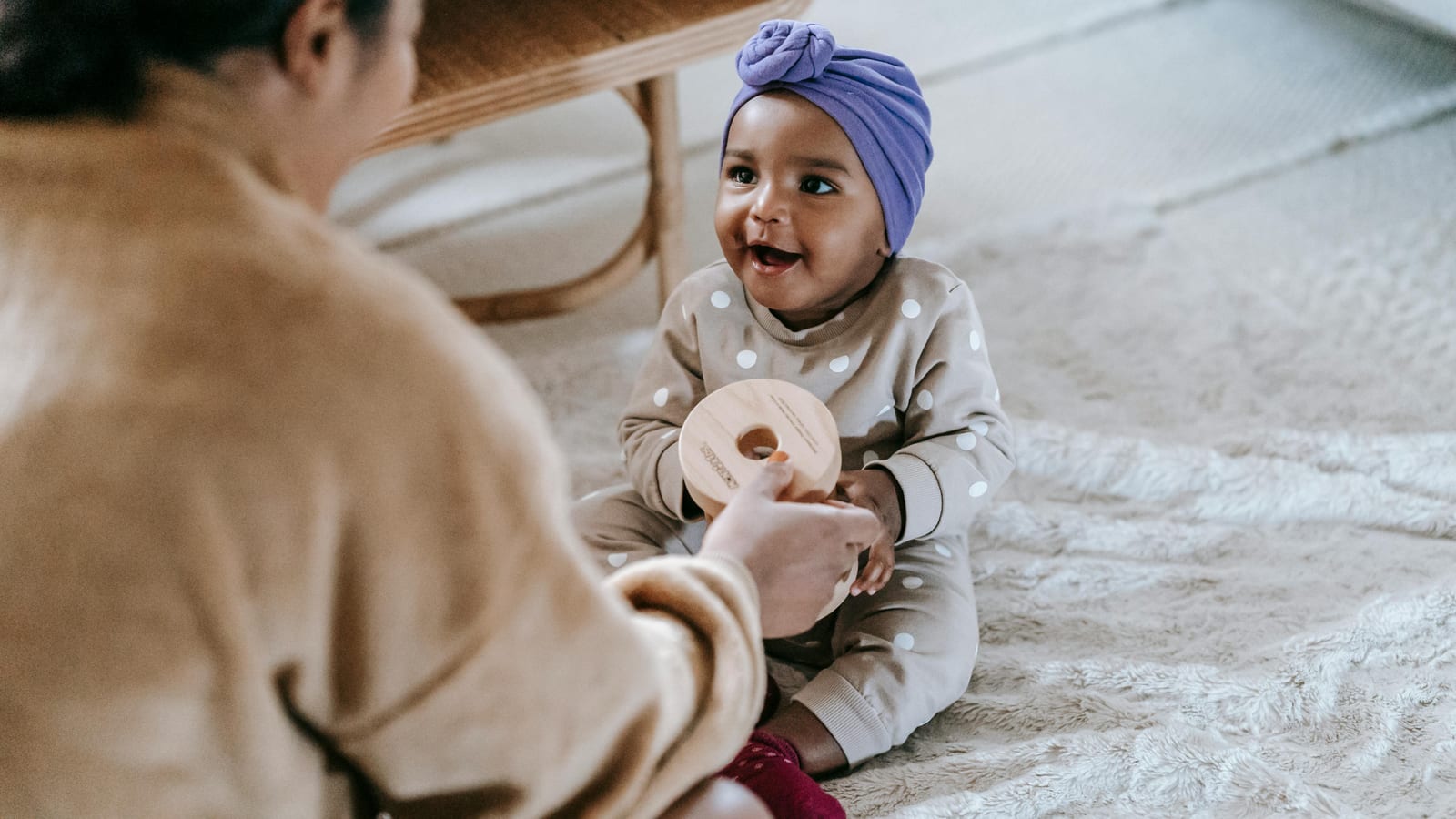
Every parent who walks into our rooms with a baby in their arms is quietly carrying the same question. Are they on track? It does not matter if it is the first child or the fourth. We watch our children’s small achievements with held breath, and we compare, even when we promise ourselves we will not.
At Kelebogile Medical Centre, in Moshate Gardens just off Molotlegi Road, we see this in the eyes of mothers and fathers every week. So before we get into the details, let us put one thing on the table. Development is not a race. It is a journey, and every child walks it at their own pace. The milestones are a map, not a deadline.
The Road to Health Book is your friend
If your child was born after November 2018, you were handed a small green book at the clinic or hospital. That book matters. The Road to Health Booklet is a free national tool from the South African Department of Health, and it captures everything from your child’s growth charts to their developmental milestones (Department of Health, 2018). Bring it to every visit, even when you think it is only for the immunisation pages. The notes you and your healthcare worker make over time become a picture of your child’s growth that no single appointment can capture.
What the latest evidence tells us
In 2022, the United States Centers for Disease Control and Prevention updated the developmental milestones it had used since 2004 (CDC, 2022). The shift was important. They moved from describing what 50 percent of children do at a given age to what 75 percent do. The change matters because it gives parents clearer signals about when a child might need support, instead of worrying about ordinary variation. Walking, for instance, used to be flagged at 12 months. The new milestone is 15 months.
Some of you reading this had a child who walked at 10 months. Others had one who took the first step at 16 months. Both are very often within healthy range.
The World Health Organization’s research backs this up. In their multi-country study tracking six gross motor milestones, walking alone had the widest window of normal achievement, a full 9.4 months from earliest to latest (WHO, 2006). Standing alone was just as wide. The narrowest window was sitting without support, at around 5.4 months. So if your friend’s baby is pulling to stand and yours is still bottom-shuffling, that does not necessarily mean anything is wrong. It means children are children.
One detail from the WHO study often surprises parents. Around 4 percent of healthy children never crawl. They go straight from sitting to pulling themselves up to walking. If your child is one of those, please do not lose sleep.
What to watch for, by age
These are general guides drawn from the Road to Health Book and CDC milestones. They should never replace a proper paediatric assessment, but they give you a sense of what most children do by a given age.
- By two months, your baby should calm when picked up, smile at you, and lift the head briefly while on the tummy.
- By six months, you should see them reaching for things they want, putting items in their mouth (yes, all the things), and making sounds back when you talk to them. They should also recognise familiar faces.
- By 12 months, expect waving, looking when their name is called, and saying things like mama or dada with intention. Pulling up to stand is common around now, even if walking is still some months away.
- By 18 months, most children are walking confidently, pointing to show you something, and following simple instructions like come here.
- By two years, your child should be using two-word phrases, kicking a ball, and copying what other children do.
- By three years, you should be hearing short sentences, watching them play pretend, and seeing them climb anything they can find. This is the age of why questions. Brace yourselves.
- By four and five, imagination runs wild, they can tell a small story, and they grow more independent in dressing and bathroom routines.
Play is your child’s full-time job
Every milestone we have just listed is built through play. Picking up small stones in the garden builds fine motor control. Pretending the couch is a taxi builds language and imagination. Splashing in a bath builds confidence with the body. Children learn by doing, and the most powerful tool you have is unhurried time on the floor with them.
Reading aloud, even from before your baby can sit, is one of the strongest single predictors of later language development. It does not matter if the book is in English, Setswana, Sepedi, or isiZulu. What matters is your voice, your face, and your finger pointing at the picture. Twenty minutes a day is enough to shape a vocabulary.
On screens, the World Health Organization recommends none for children under two, and no more than one hour per day for children aged two to five, with most of that being content you watch together (WHO, 2019). The point is not the strict rule. It is the principle. Screens replace the things that drive development, namely talking, movement, and human connection.
When to seek help, and not panic
If your child is not meeting milestones within their expected window, do not jump straight to worry. But do not ignore it either. Come and have a conversation with us. Early support, especially for speech, hearing, and motor development, makes an enormous difference. South Africa has well-developed networks of paediatric occupational therapists, speech therapists, and physiotherapists, including several excellent practitioners in Pretoria. We can refer where needed.
There are some signs that should always prompt a visit, regardless of age. A child who loses skills they previously had. A baby who is not making eye contact or responding to sounds. A toddler who is not putting weight on their legs. These are worth getting checked promptly.
The thing nobody tells you
The most important measure of how your child is doing is not on a chart at all. It is in their connection to you. The smiles. The way they look for your face when something is new or scary. The way they bring you a half-eaten biscuit to share. Connection is the foundation of every other developmental gain, and it is something every parent in Pretoria, no matter their circumstances, can give in abundance.
Dr Setlogelo and the team at Kelebogile Medical Centre are here to walk alongside you. If you ever have a quiet worry, please book a visit. We would rather see you and reassure you than have you carry that question around for another week.
References
- Centers for Disease Control and Prevention. (2022). CDC’s Developmental Milestones. Available at: https://www.cdc.gov/act-early/milestones/index.html
- National Department of Health, Republic of South Africa. (2018). Road to Health Booklet. Available at: https://www.health.gov.za
- WHO Multicentre Growth Reference Study Group. (2006). WHO Motor Development Study: Windows of achievement for six gross motor development milestones. Acta Paediatrica Supplement, 450, 86 to 95. Available at: https://www.who.int/tools/child-growth-standards/standards/motor-development-milestones
- World Health Organization. (2019). Guidelines on Physical Activity, Sedentary Behaviour and Sleep for Children under 5 Years of Age. Geneva: WHO.